The Golden Age of Frictionless Travel: Navigating the 2026 Shift
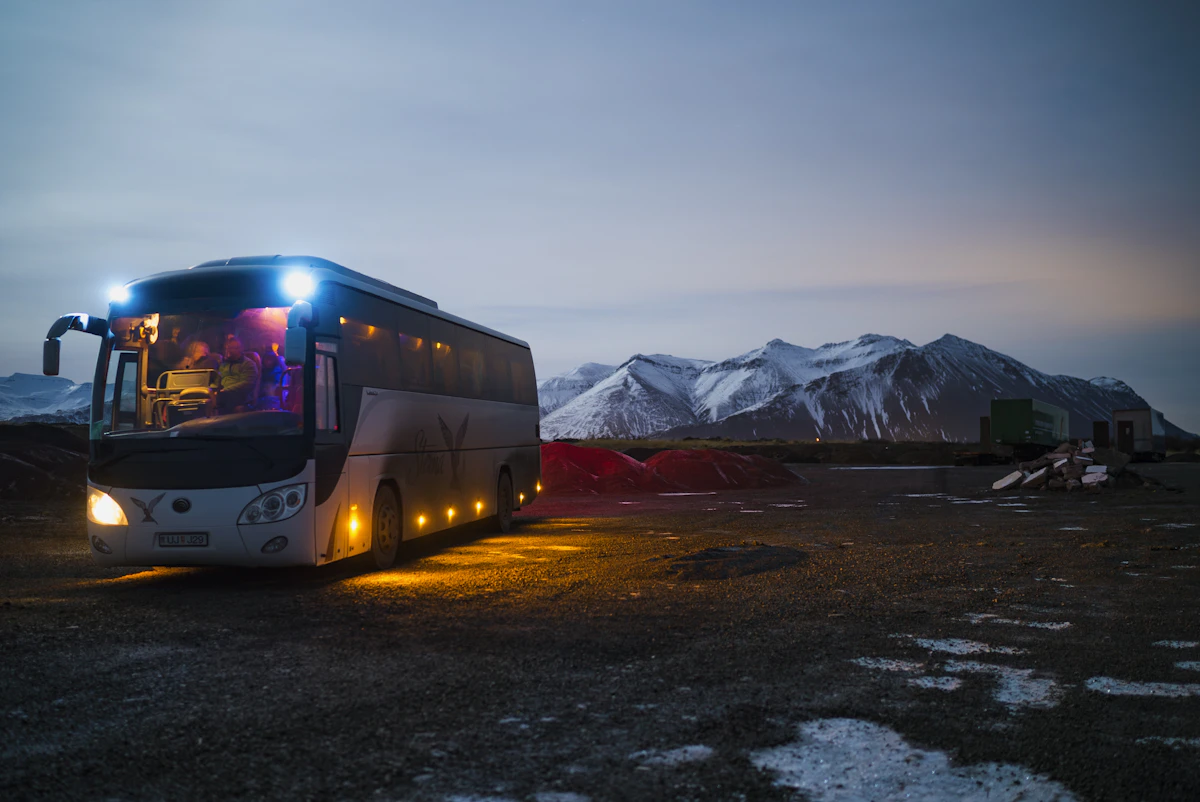
The age-old stresses of travel—lost baggage, language barriers, and bureaucratic border queues—have finally begun to fade into history. As we enter 2026, the global travel industry has embraced a **Frictionless Framework**, where technology acts as an invisible lubricant for the human experience of exploration. We are no longer 'tourists'; we are 'global citizens' facilitated by a hyper-connected infrastructure.
Biometric Sovereignty: Borders Without Passports
For the frequent traveler in 2026, the physical passport has become an artifact of the past. The widespread adoption of the 'Digital Travel Credential' (DTC), backed by the ICAO, allows for total biometric boarding. Your face, your irises, and your gait are your identity. This system doesn't just speed up boarding; it has eliminated the 'choke points' of global transit. In major hubs like Singapore and Doha, passengers move from the curb to the gate without ever stopping to show a document. It is the purest expression of technology serving human freedom of movement.
This security layer is underpinned by decentralized blockchain ledgers. Your health records, security clearances, and digital ID are verified instantly by local gate-nodes without the data ever being stored on a central server. This privacy-first approach has eased the geopolitical tensions that previously hindered global movement, making the dream of a 'one-world' transit system a technical reality.
The AI Concierge: Personalization at Scale
Travel planning has moved away from static booking sites toward 'Conjunctive Intelligence'. Your personal AI agent knows your physiological preferences better than any human agent could. It knows that you prefer a humidity level of 45% in your hotel room, that you have a latent interest in 18th-century architecture, and that you are currently in a period of high cognitive stress. It doesn't just book a room; it curates an **Environment of Restoration**.
By the time you arrive, your itinerary has been dynamically adjusted based on real-time factors like local weather, crowd density at museums, and even your wearable-tracked energy levels. If you're feeling fatigued, the AI subtly shifts your dinner reservation to a closer, quieter venue and suggests an immersive VR historical tour from the comfort of your suite instead of a walking tour. It is travel as therapy.
"The best journey is not the one that goes to the most places, but the one that allows you to arrive at yourself with the least effort."
The Rise of Regenerative Tourism
In 2026, travel is no longer 'extractive'. The mindset has shifted toward **Regenerative Tourism**, where the traveler's presence actually improves the destination. This is facilitated by transparent social-credit and environmental-impact trackers. High-impact tech, like carbon-neutral aviation fuel and autonomous electric transit at destinations, ensures that the 'pleasure' of travel doesn't come at the 'cost' of the planet.
We are seeing travelers choose destinations based on 'Contribution Scores', where they can participate in local vertical farming projects or educational exchanges as part of their experience. Technology has turned travel from a consumption-based activity into a contribution-based one, fostering a much deeper connection between the world's diverse cultures.
Final Conclusion
Travel in 2026 is a celebration of human curiosity, unburdened by administrative friction. As the world becomes more connected via digital threads, our physical journeys become more intentional and meaningful. We explore the planet not to escape our lives, but to enrich them—and for the first time in history, technology is finally clearing the path.