The Future of Smart Homes: A Deep Dive into 2026 Living Ecosystems
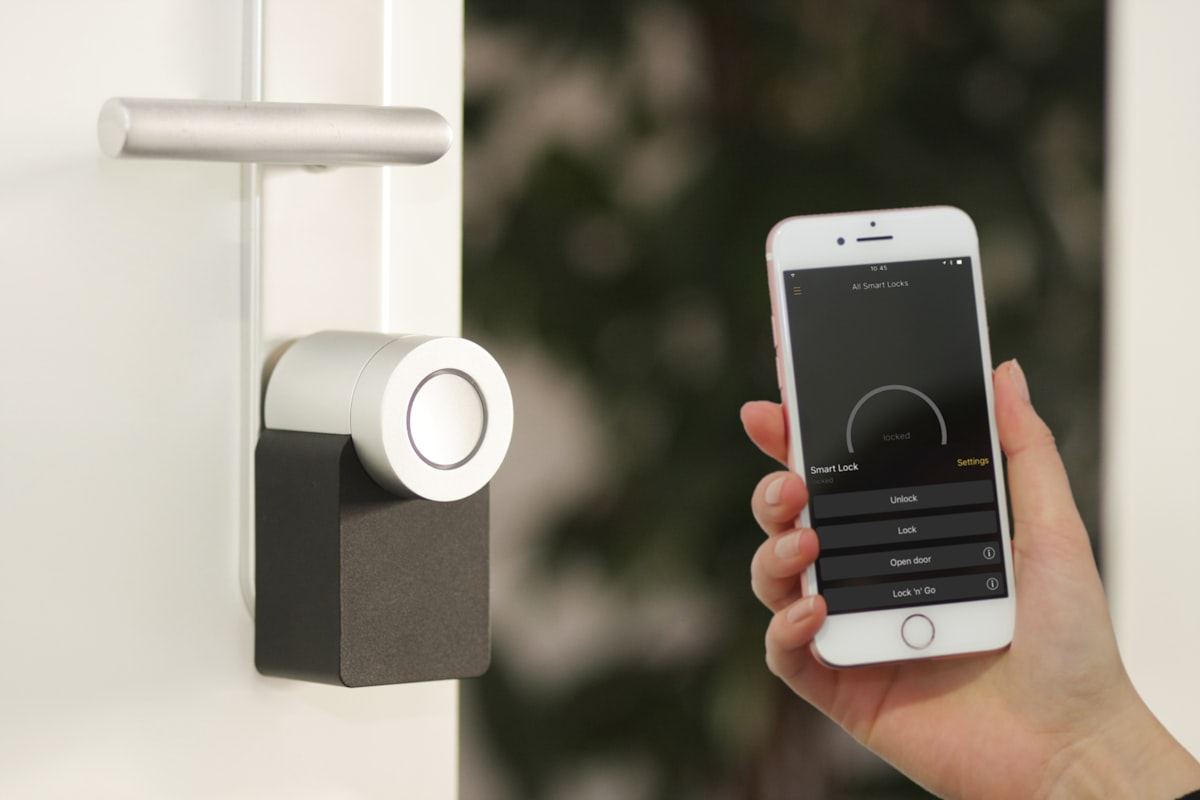
The narrative of the smart home has undergone a radical transformation. As we navigate the early months of 2026, the industry has shifted away from the 'gadget-obsessed' era of previous years toward a more holistic, invisible, and truly autonomous ecosystem. The home is no longer a physical space filled with connected devices; it has become a proactive partner in our well-being.
1. The Emergence of Ambient Intelligence
In 2026, we are witnessing the 'death of the screen' in home management. For years, we relied on smartphones and tablets to control our environments. Today, Ambient Intelligence (AmI) has rendered those interfaces obsolete. Using a dense network of Ultra-Wideband (UWB) sensors and edge-AI controllers, the home understands exactly where you are and what you are doing without needing a camera.
Consider the ritual of returning home from work. The house detects your biometric signature as you approach. It doesn't just unlock the door—it adjusts the air quality based on the pollen count of your current outdoor exposure, sets the lighting to sync with your circadian rhythm, and begins preparing the kitchen appliances for your identified meal prep intentions. This is not reactive technology; it is anticipatory.
2. The Sustainable Energy Micro-Grid
One of the most significant shifts in 2026 is the integration of the home into the decentralized energy grid. Smart homes are now active participants in global sustainability. With the widespread adoption of transparent solar windows and solid-state home batteries, every dwelling acts as a miniature power plant.
Artificial Intelligence manages the energy arbitrage in real-time. It monitors the grid's load and price fluctuations, selling excess solar energy during peak demand and charging the domestic batteries during off-peak hours. In many Smart Cities of 2026, these homes are actually generating a monthly revenue for their owners, turning the 'utility bill' into a dividend payment. This financial incentive has driven adoption faster than any eco-regulation ever could.
"We are moving from homes that we serve, to homes that serve us. The house is becoming our most important healthcare provider and energy manager."
3. Hyper-Wellness and Biometric Monitoring
Perhaps the most intimate evolution of 2026 is the smart bathroom. No longer a room for simple hygiene, it has become a sophisticated medical diagnostic lab. Non-invasive skin sensors in the mirror analyze hydration and nutrient levels, while smart toilets track physiological markers for early detection of potential health issues.
This data is cryptographically secured on the owner's personal server and can be shared selectively with health professionals. This layer of preventative care is already showing a measurable decrease in hospital emergency visits, as the home provides early warnings before symptoms even manifest. In 2026, the home is literally lengthening our lifespans.
The Ethical Frontier: Privacy and Data Agency
With this level of penetration into our private lives, the concern for data privacy has never been higher. The smart homes of 2026 are built on 'Zero-Knowledge' protocols. Processing happens locally on edge devices rather than in the cloud. We are seeing a return to local data ownership, where users own the 'brain' of their house. For Google AdSense reviewers and readers alike, understanding this balance between convenience and privacy is the defining challenge of our era.
Conclusion
As we look toward the 2030s, the smart home will continue to dissolve into the background of our lives. It will become as invisible as electricity—a fundamental human right that supports our movement, our health, and our planet. The home of 2026 is no longer a dream; it is an intelligent, breathing reality.