The EV Revolution: Reimaging Global Energy and Movement in 2026
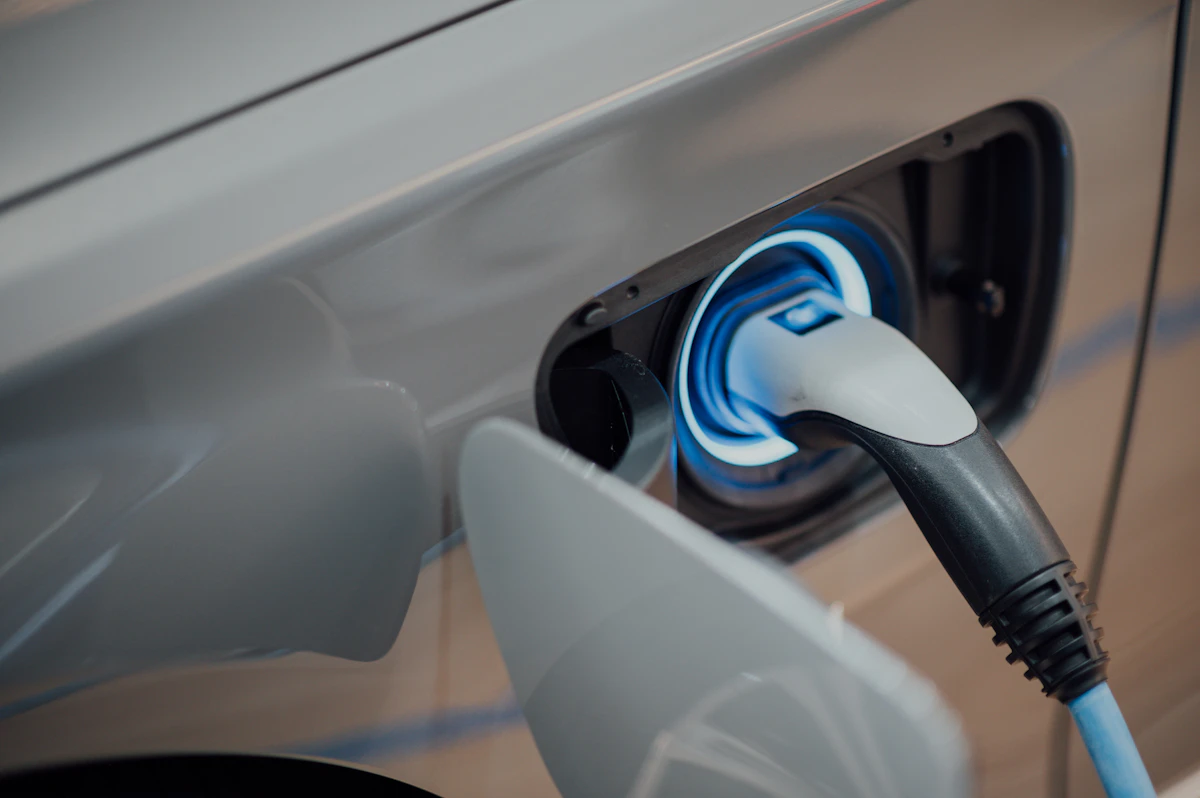
The year 2026 marks the official end of the Internal Combustion Engine (ICE) era in most developed markets. But the story is much larger than just changing what powers our cars. We are now witnessing the **Electrification of Everything**, where the vehicle has transitioned from a mere mode of transport into a critical node in our global energy ecosystem.
Solid-State: The Battery Holy Grail
The biggest technical leap of 2026 is the industrial-scale production of **Solid-State Batteries**. Unlike the liquid-lithium batteries of the past, these solid-state units are fire-resistant, charge to 80% in under five minutes, and offer ranges exceeding 1,200 kilometers on a single charge. This breakthrough has effectively eliminated 'range anxiety', making the decision to go electric a logical certainty rather than an environmental sacrifice.
This hardware upgrade is also extending the lifespans of vehicles. Without the heat and vibration of an engine, and with batteries that can withstand 10,000 charging cycles, the 2026 EV is built to last 20-30 years. This longevity is forcing the automotive industry to rethink its entire business model, shifting from selling new cars toward providing software-based upgrades and services.
V2G: Your Car as a Mobile Power Plant
Perhaps the most transformative shift is **Vehicle-to-Grid (V2G)** technology. In 2026, when your car is parked, it isn't just sitting idle; it is a distributed battery unit for the renewable energy grid. During the day, EVs soak up excess solar and wind power. During peak evening hours, they sell that power back to the grid to stabilize demand.
This smart-energy arbitrage has fundamentally changed the economics of car ownership. Many EV owners in 2026 are covering their entire lease payment just by managing their car's battery interaction with the grid. The vehicle has moved from being a liability into an income-generating asset. This is the ultimate example of how technology can harmonize our individual needs with the needs of the planet.
"We didn't just replace the engine; we reimagined the relationship between the city and the machine. The car is no longer a polluter; it is a provider."
Autonomous Logistics and the End of Parking
As EVs become increasingly autonomous in 2026, we are seeing a massive reclaimed space in our city centers. We no longer need vast parking lots because autonomous EVs 'ghost' into storage hubs outside the city when not in use. This has opened up thousands of hectares of urban land for parks, housing, and social spaces. The EV revolution is not just about cleaner air; it's about more livable cities.
Final Conclusion
The EV era of 2026 is a masterclass in technological convergence. When we combine solid-state storage, AI-driven grid management, and autonomous mobility, we create a system that is infinitely more efficient than what came before. The road ahead is quiet, clean, and powered by the sun. The future is here, and it's electric.