Mastering Digital Productivity: The 2026 Framework for Deep Performance
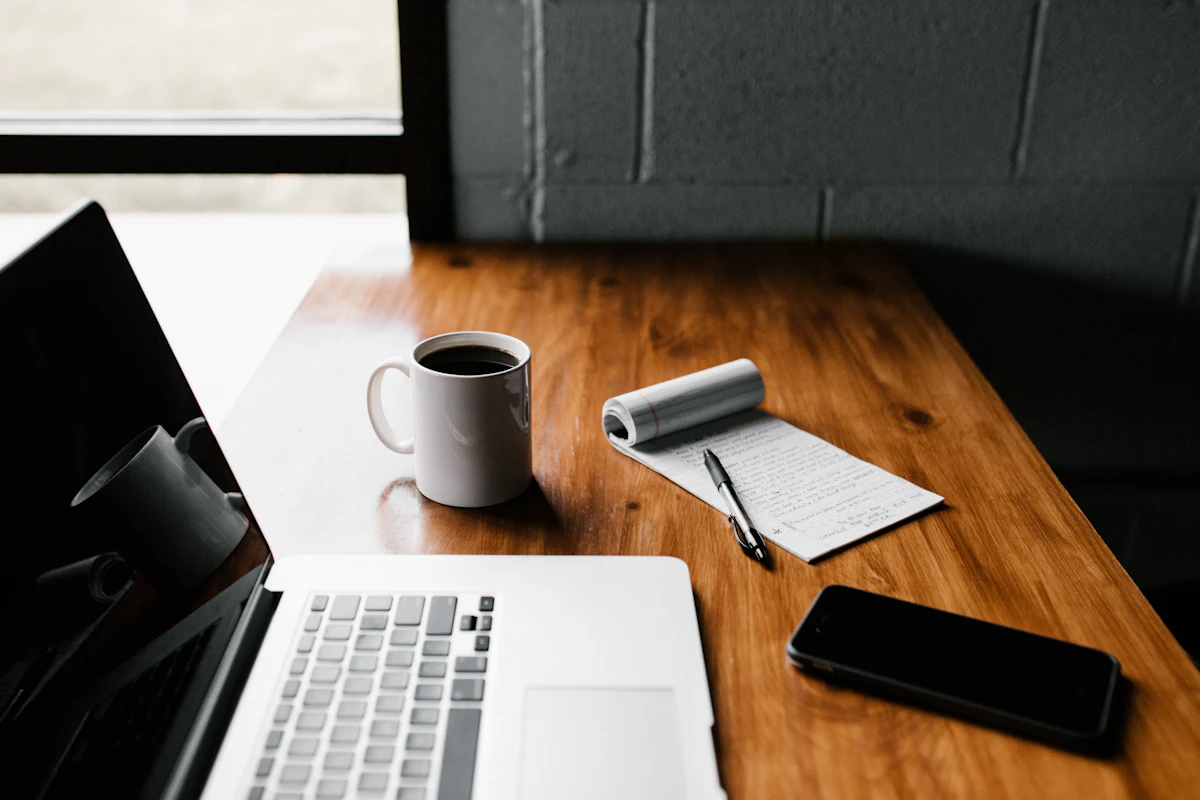
The global workforce has officially moved past the chaotic transition of the early 2020s. In 2026, we are no longer asking *where* we work, but *how* we maximize the cognitive hours available to us. Digital productivity has evolved from simple time management into a complex discipline of **Neurological Optimization**.
The Rise of the AI Co-Pilot Ecosystem
By mid-2026, the concept of a standalone 'productivity app' has vanished. Instead, we operate within integrated AI ecosystems that act as cognitive filters. These 'Co-Pilots' have moved beyond simple automation. They now handle 90% of our administrative overhead—predicting email responses, organizing project hierarchies, and managing inter-departmental logistics—allowing the human brain to return to its most valuable function: **Synthesis and Creative Strategic Thinking**.
Successful professionals in 2026 are those who have mastered the art of 'Prompt Orchestration'. They don't just use AI; they manage a fleet of specialized digital agents. This shift has recalculated the definition of a 'work day'. We are seeing that four hours of high-quality AI-augmented concentration produces more results than the traditional eight-hour grind of the past decade.
The Hardware of Performance: Cognitive Ergonomics
Physical workspace design has reached a scientific peak. In 2026, the 'Smart Desk' is an active participant in your focus. Using haptic bio-feedback through wearables, your desk can detect when your cognitive load is reaching 'burnout' levels. It might subtly change the ambient lighting color to a soothing blue or adjust your desk height to encourage a shift in posture, effectively resetting your neurological clock.
Auditory environments have also been revolutionized. AI-driven noise cancellation doesn't just block sound; it generates personalized 'focus soundscapes'—frequencies tailored to your specific brainwave patterns during deep work sessions. This is the era where your environment is as intelligent as your tools.
"The most productive worker is not the one who does the most tasks, but the one who can maintain the longest state of 'Deep Flow' in a distracted world."
The Psychology of Boundaries: Rituals for Digital Nomads
As the lines between life and work have blurred permanently, the most successful workers are those with the strongest rituals. In 2026, we see a massive return to 'Digital Ritualism'. This includes strict 'Focus Gates'—specific times of day where all external signals are physically blocked by hardware overrides.
We are also seeing the rise of 'Cognitive Load Balancing'—a practice where workers proactively schedule low-energy tasks during their natural circadian slumps and reserve their 'peak' hours for high-stakes problem solving. It’s a rhythmic approach to work that respects our biological limitations rather than trying to override them with caffeine and willpower.
The Future of Skills: Adaptation is Everything
What skills matter in 2026? Technical proficiency is now secondary to **Adaptability and Emotional Intelligence (EQ)**. As AI handles the 'hard' skills of data and logic, the value of the human worker lies in their ability to lead teams, navigate complex ethical dilemmas, and build authentic connections. Productivity is now a measure of human impact, facilitated by technology.
Final Conclusion
Mastering digital productivity in 2026 requires more than just a new app—it requires a new mindset. It's about building an environment that supports your brain, leveraging tools that multiply your potential, and maintaining the rituals that keep you human. The future of work is not about being a machine; it's about being a better human, powered by machines.