Cybersecurity in 2026: Defending Identity in an AI-Driven Battlefield
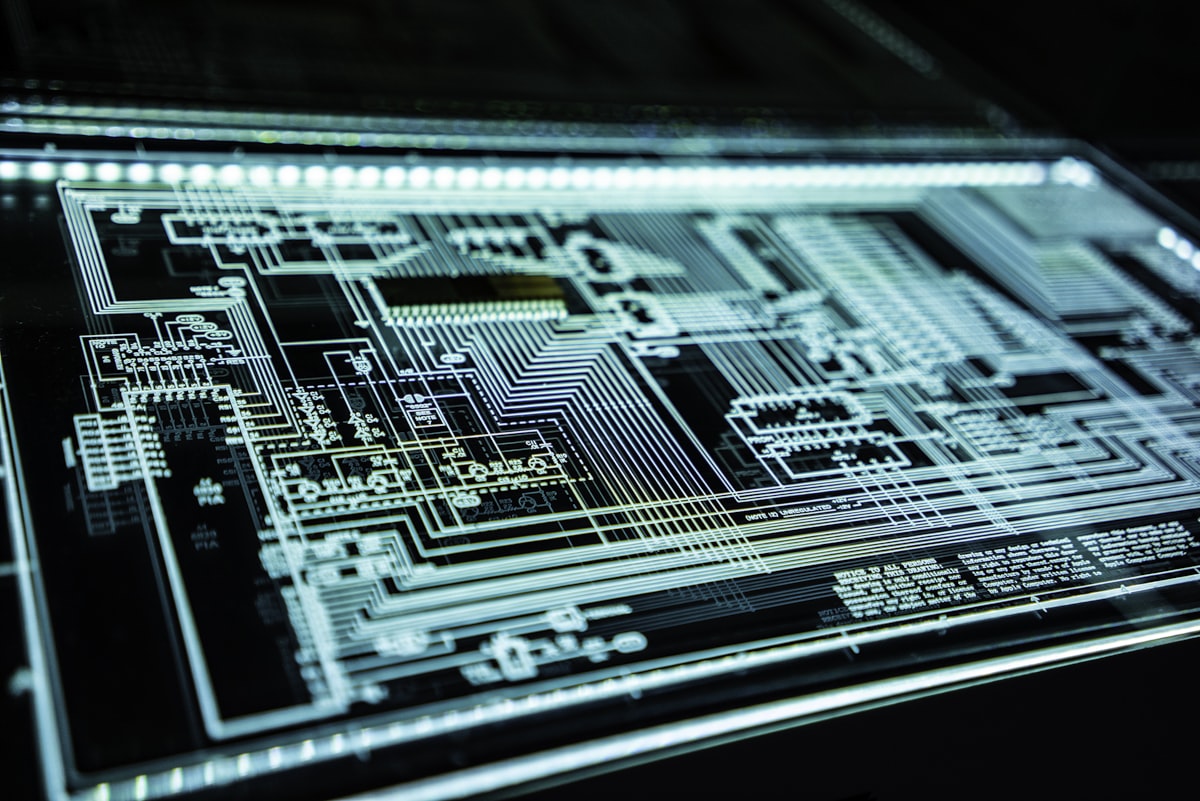
The digital world of 2026 is a paradox. While technology has made our lives remarkably convenient, it has also created a threat landscape that would have been unimaginable a decade ago. We have officially entered the era of **Autonomous Cyber-Warfare**, where attacks are planned and executed by AI at millisecond speeds.
The Total Collapse of the Traditional Password
In mid-2026, the password has finally been relegated to the history books. AI-driven brute-force attacks can now crack complex 20-character strings in minutes. In its place, we have adopted **Multi-Modal Biometrics**. This is not just a fingerprint or a face scan; it is a synthesis of behavioral data—how you type, how you move your mouse, and even your unique heart rate rhythm detected through your wearables.
This 'Continuous Authentication' means that your identity is being verified every second you are logged in. If your behavioral patterns shift—perhaps indicating someone else has taken control of your device—the system immediately enters a lockdown state. We no longer 'log in'; we are 'recognized' by our digital surroundings.
The Danger of Synthetic Identity: AI Phishing and Deepfakes
The most terrifying threat of 2026 is the hyper-realistic synthetic attack. Phishing has evolved from poorly written emails into 'Deepfake Vishing'. Cybercriminals now use real-time AI to spoof the voices and even the video of family members or CEOs during video calls to authorize fraudulent transactions. The quality is so high that the human ear and eye can no longer distinguish real from synthetic.
To counter this, families and corporations are adopting 'Out-of-Band Verification'. This involves using secondary, physical methods or 'secret passphrases' that are never typed into a digital device. In an era of total digital simulation, the only thing we can trust is the non-digital, physical reality.
"The strongest firewall in 2026 is no longer software; it is human skepticism. If a digital signal asks for your trust, assume it is synthetic until proven otherwise."
Zero-Trust Architecture: The New Corporate Standard
The old model of 'Trust but Verify' is dead. Modern corporations have adopted the **Zero-Trust** model: 'Never Trust, Always Verify'. In 2026, being on the corporate network provides zero inherent privileges. Every single data request is treated as if it comes from an untrusted source, requiring individual verification based on context, location, and biometric state.
This transition has shifted our focus from 'preventing entry' to 'limiting blast radius'. We assume that a breach will happen. Therefore, we segment data so tightly that even if one node is compromised, the rest of the ecosystem remains invisible to the attacker. It is a philosophy of resilience rather than one of invincibility.
The Individual's Shield: Data Compartmentalization
For the everyday user, the strategy of 2026 is **Compartmentalization**. Do not have your social media, banking, and professional identity tied to a single email or recovery phone number. Use decentralized identity protocols (Web3 wallets) to act as a buffer. By diversifying your digital presence, you ensure that a single failure doesn't lead to a total identity collapse.
Final Conclusion
Cybersecurity in 2026 is a constant state of vigilance. While the machines fight the machines, our role is to act as the ultimate ethical anchor. Stay informed, stay skeptical, and reclaim your digital sovereignty. The battlefield is invisible, but the stakes are your entire digital life.