The 6G Era: Building the Nervous System of the 2026 Digital Society
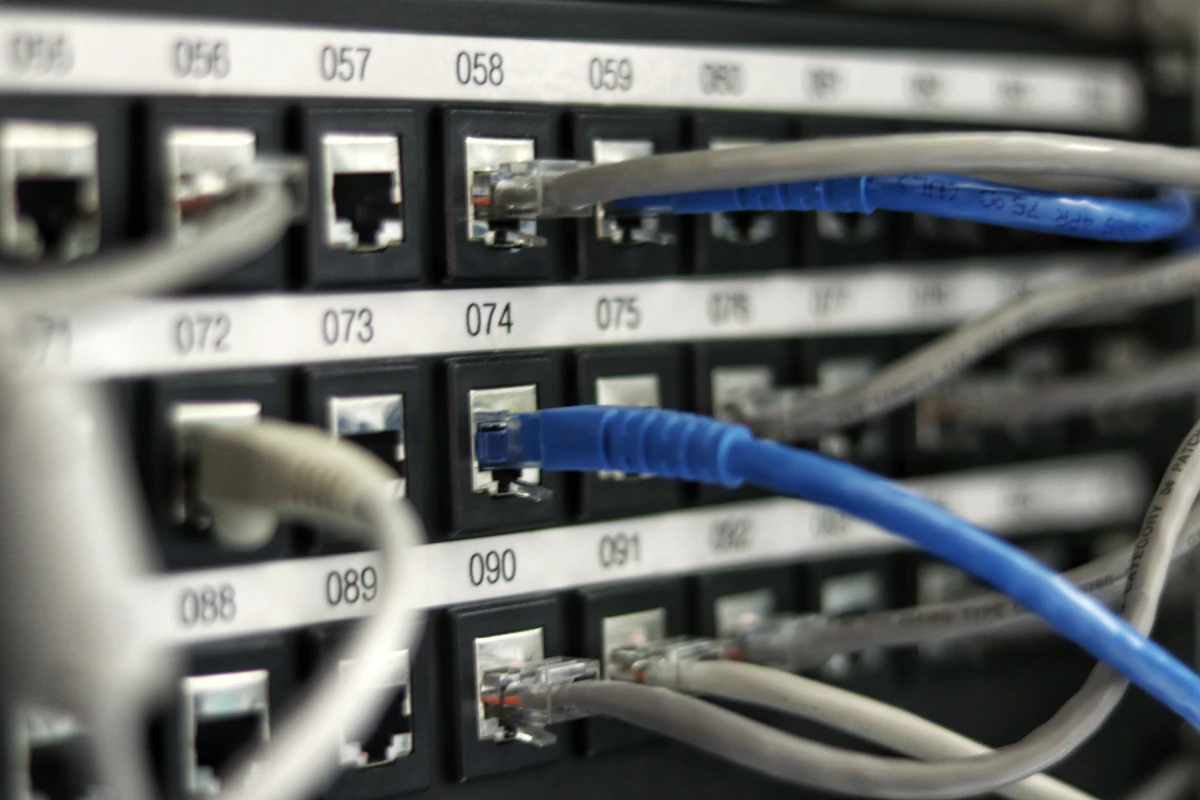
While the world was still adapting to 5G, the early adopters of 2026 have already begun the transition to **6G**. This is not just 'faster internet'. This is a fundamental reimagining of the physical world as a sentient, interconnected mesh. 6G is the platform that will support the most advanced AI and holographic technologies of the next decade, turning our environment into a living data stream.
Terahertz Frequencies: Data at the Speed of Light
The leap to 6G involves moving into sub-terahertz and terahertz frequencies. In practical terms, this means download speeds of 1 Terabit per second (Tbps)—about 100 times faster than the best 5G networks. But speed is secondary to **Latency**. In 2026, 6G offers microsecond latency, which is essentially instantaneous to the human brain. This is what makes real-time holographic telepresence possible. You can feel 'present' with someone on the other side of the world, with zero lag between your gesture and their perception.
This zero-latency era is also critical for the safety of autonomous systems. In 2026, autonomous delivery drones and self-driving trucks communicate with each other and the city infrastructure in real-time. A 6G-connected city can coordinate thousands of moving parts with the precision of a single organism, virtually eliminating traffic accidents and systemic delays.
The Internet of Truly Everything (IoTE)
With 6G, the density of connected devices can reach 10 million per square kilometer. In 2026, we have moved beyond connecting devices to connecting 'objects'. Through passive, backscattering-based sensors that require no batteries, almost everything—from the bricks in a building to the fabric in your clothes—can send and receive data. This has created a 'Sentient Physical World' where data is woven into the very fabric of our reality.
This massive scale of data is handled by decentralized edge-AI. 6G is not just a pipe; it is a distributed compute-mesh. Processing happens *inside* the network, rather than at a central data center. This ensures privacy, reduces energy consumption, and provides the immediate response times required for immersive AR and VR applications.
"6G is not a technology for browsers. It is a technology for a world where the browser has dissolved into the air around us."
Sustainability and the Zero-Energy Network
One of the most impressive feats of 6G in 2026 is its focus on sustainability. The network is designed to be 'Energy-Aware', powering down nodes in real-time when not in use and harvesting energy from ambient radio waves. 6G aims to be the first network that consumes less energy per gigabyte than 5G, proving that high-performance connectivity doesn't have to come at the cost of the environment.
Final Conclusion
The 6G era is still in its infancy, but its impact is already undeniable. As we refine the terahertz frontier, we are building the nervous system of the 21st century. It is a world of total immersion, total safety, and total connectivity. The barriers of space and time are finally being overcome by the power of the signal. The future is connected, and it's 6G.